AN ETERNAL JOURNEY
GREECE
– Henry Miller-
Welcome to Greece, the country that will unlock all your senses!
For anyone with a cultural interest, Greece offers four millennia of history that cannot fail to inspire. Nevertheless the call to cultural duty will never be too overwhelming on a Greek holiday. The simple pleasures,such as swimming in crystal clear waters, eating fresh, mediterranean food, drinkingand dancing at a traditional feast or soaking up the eternal Greek sunshine, are just as appealing. Also, the genuine welcome and the heartwarming hospitality you receive by the locals is enough to make you book the next Greek holiday as soon as you get home.
FACTS & FIGURES
Athens
The Capital
11,3 million
Population
EU & EUR
Greece is a member of the European Union and the currency is Euro.
Greek
Language
World Heritage
UNESCO
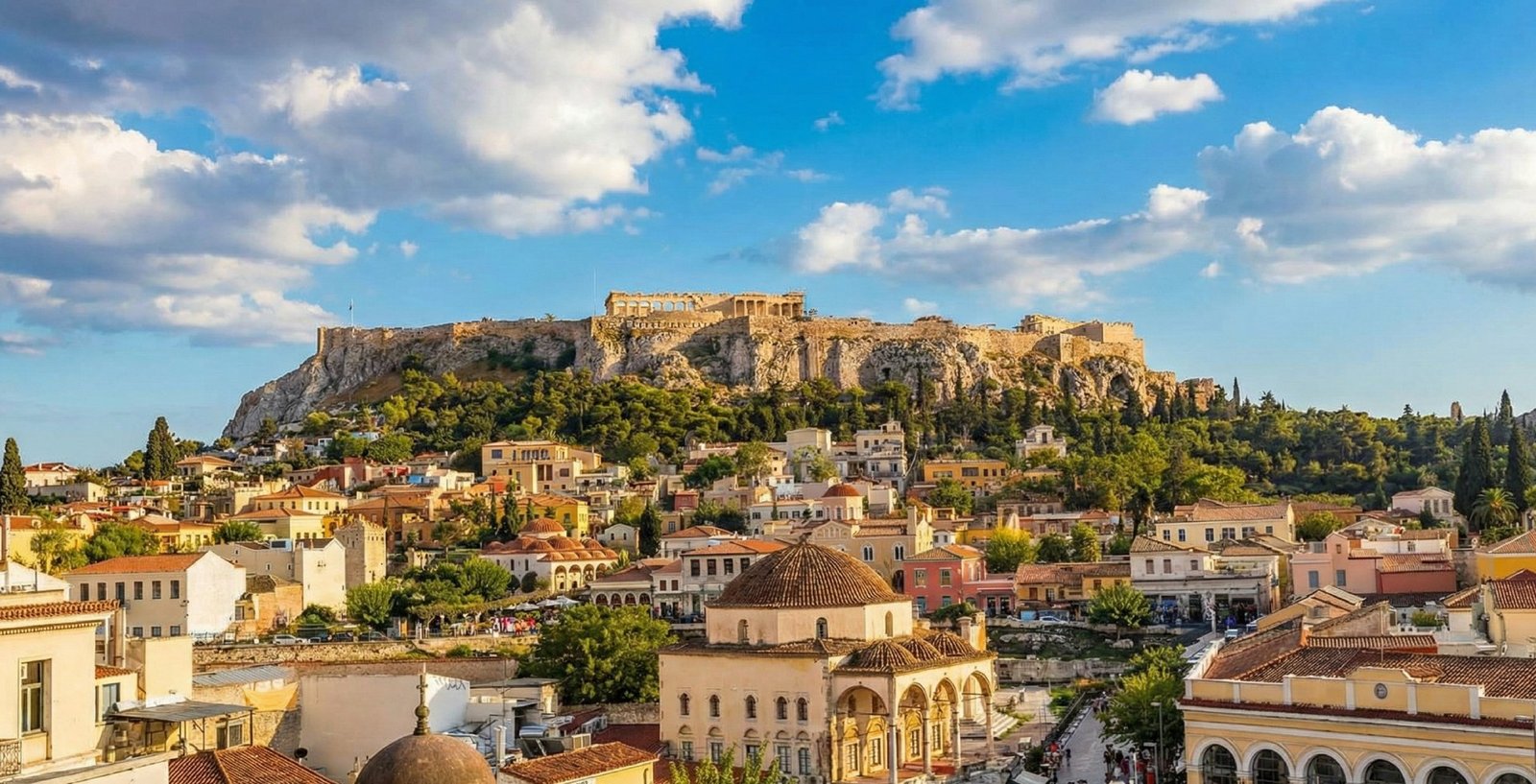
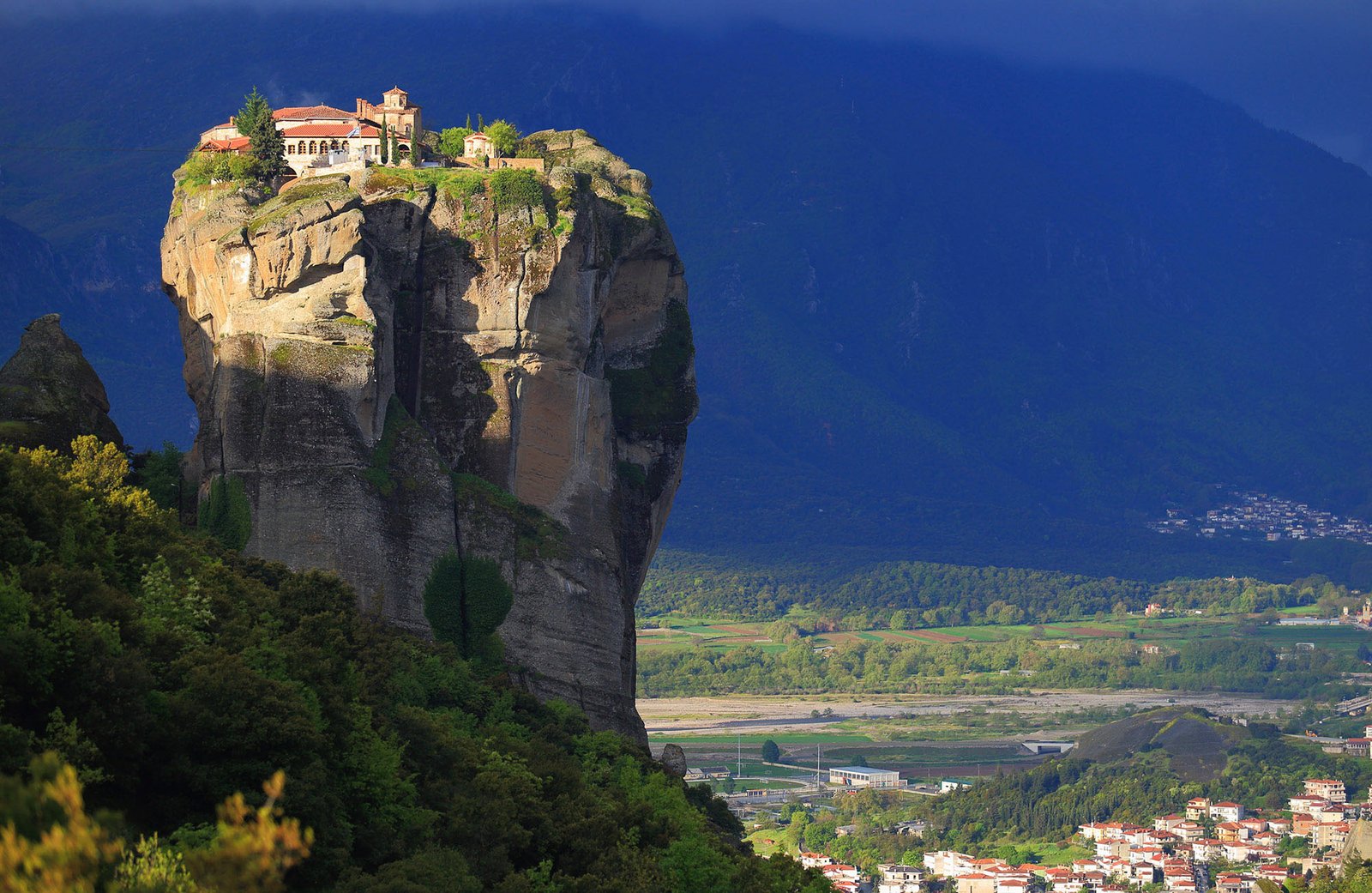
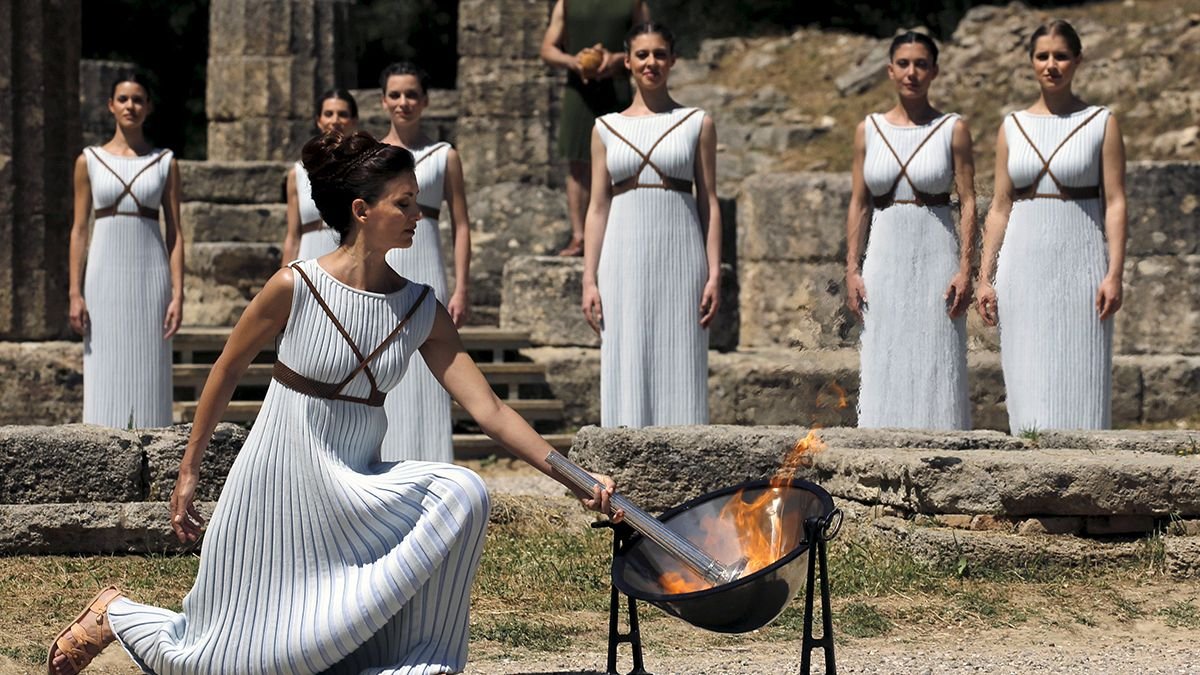
Greece has an impressive 18 UNESCO World Heritage sites including Meteora, Delphi, Rhodes Old Town, the mighty Acropolis, Delos, Mycenae, Olympia and may more.
The best ways to explore Greece are often on foot,
by boat or by fork.
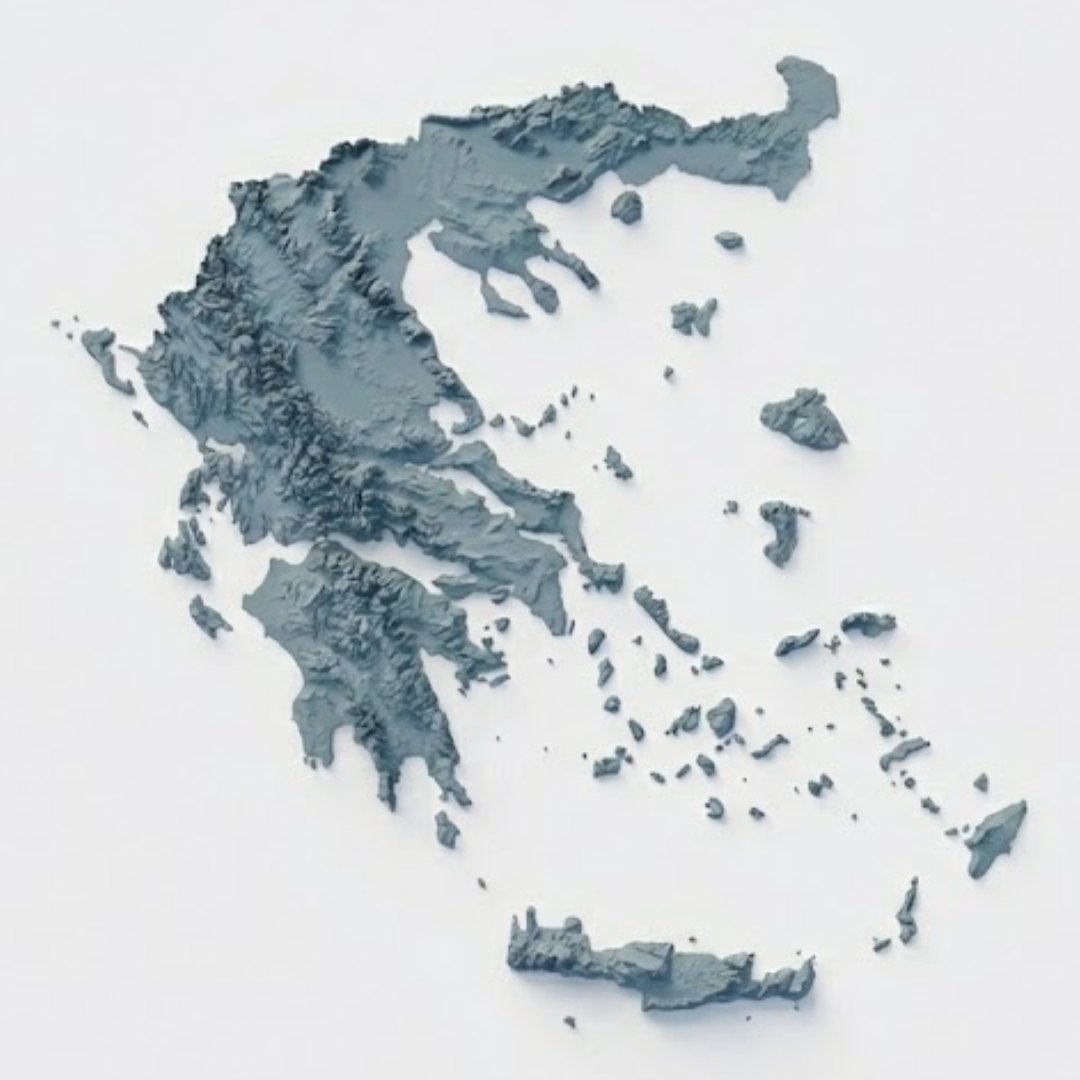
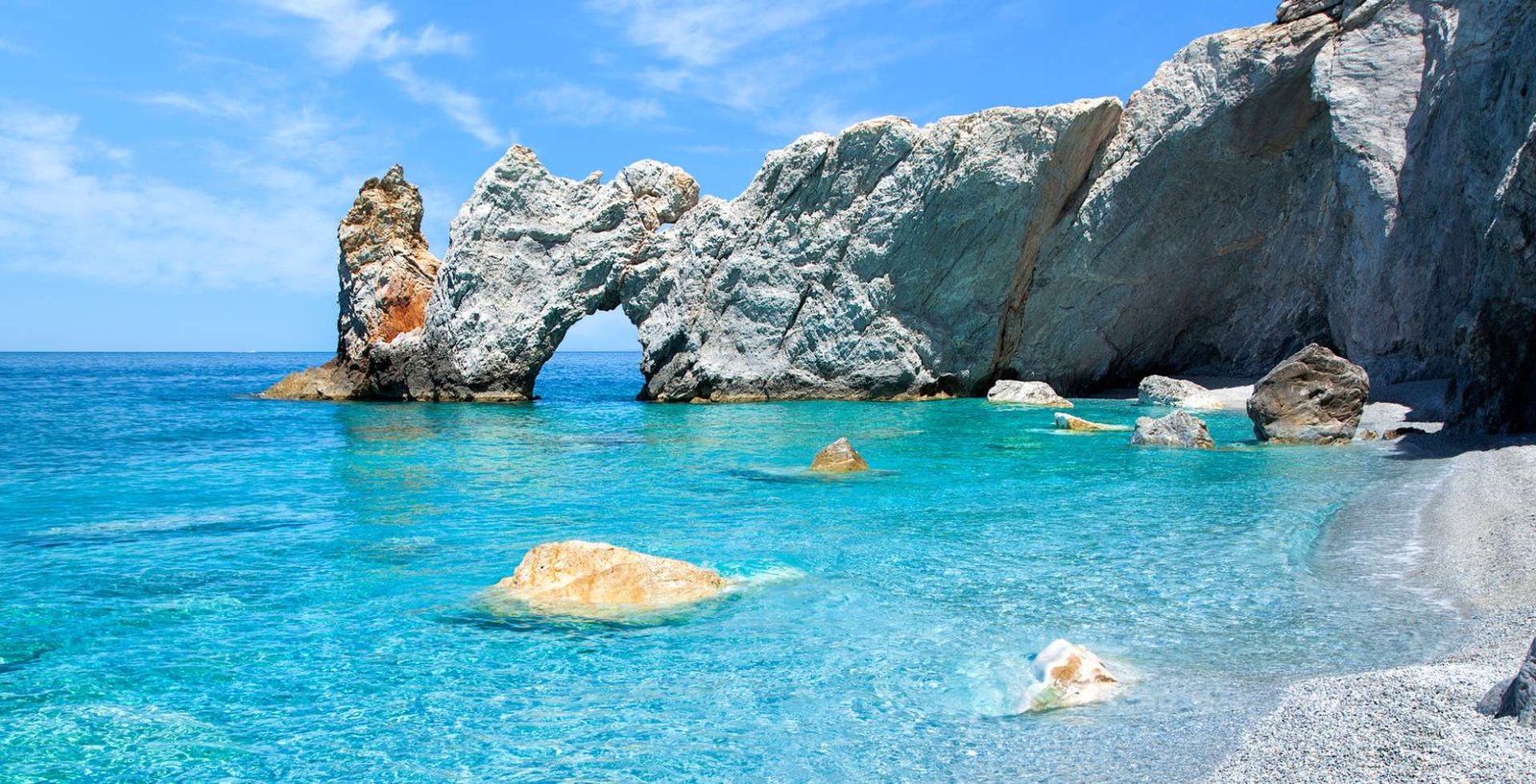
Greece is made up of a mountainous and hilly mainland peninsula and thousands of islands scattered around the Ionian, Myrtoan, and Aegean Seas offering more than 13,500 kilometers of coastline to explore. While some parts of the country are home to dramatic gorges and stunning mountain peaks, others consist of peaceful countryside and beautiful beaches. Wherever you go, you are sure to come across amazing archaeological sites of ancient civilizations shrouded in Greek mythology as well as charming towns and villages displaying the country’s fascinating history. You can visit vibrant metropolitan cities, you can cruise among the islands, you can practice water sports and many other activities and of course, you can savor some of the best food of the Mediterranean kitchen.
Greece lies at the juncture of Europe, Asia, and Africa and owns heritages of Classical Greece as well as the Byzantine and the Ottoman Empire.
The land of Greece comprises almost 132 square kilometres including more than 2,000 islands, of which about 170 are inhabited; The Greek landscape is distinct for its rugged beauty and for its great variety. The dominating elements are the sea, the mountains, and the lowland.
Geography has greatly influenced the country’s development, since mountains historically restricted internal communications, while the sea opened wider horizons. The total land area of Greece (one-fifth of which is made up of the Greek islands) is comparable in size to England or the U.S. state of Alabama.
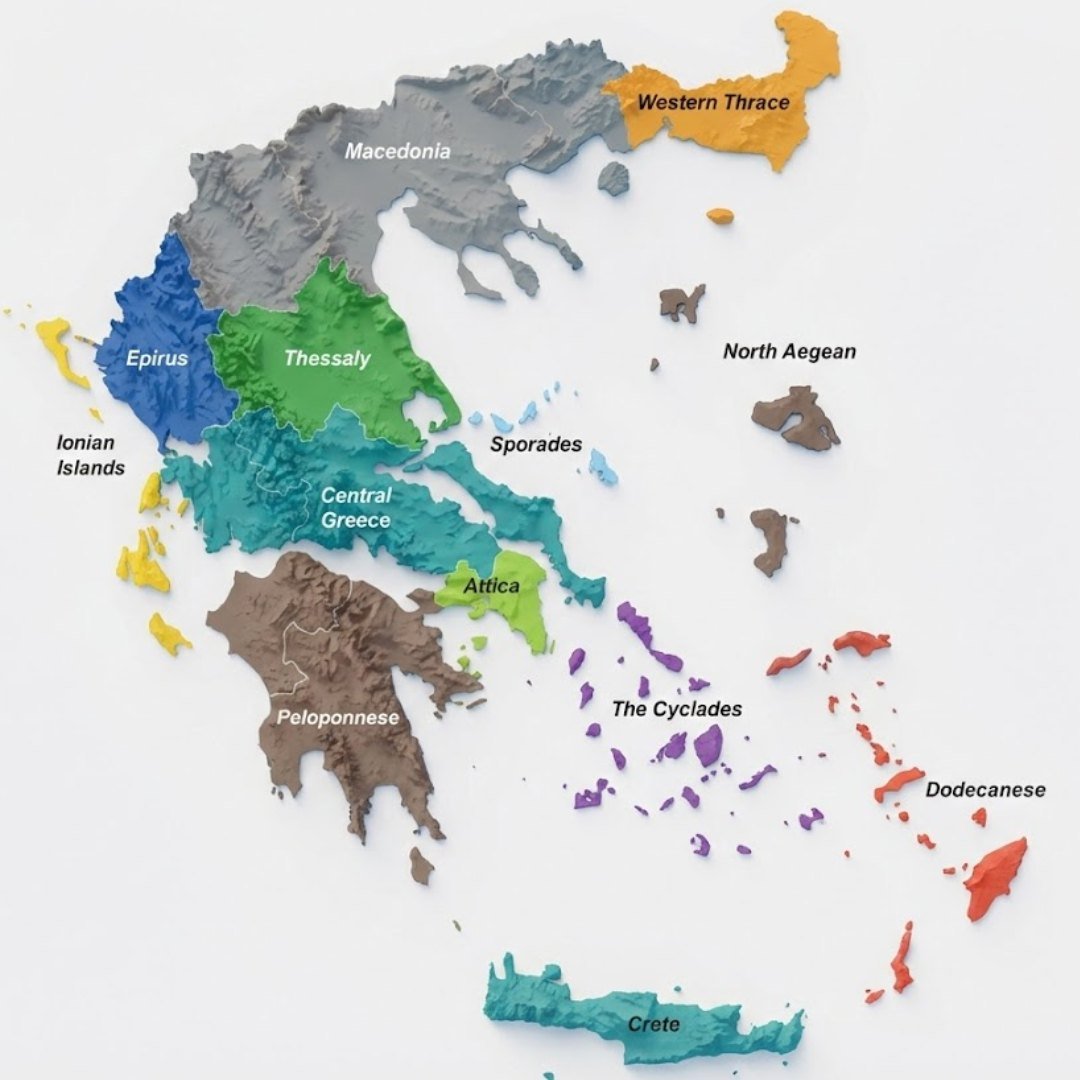
Regions of Greece
The Greek mainland from north to south: Epirus (northwest), Macedonia (north, including Thessaloniki) and Thrace (northeast), Thessaly (east-central), Sterea or Central Greece (including Athens) and the Peloponnese.
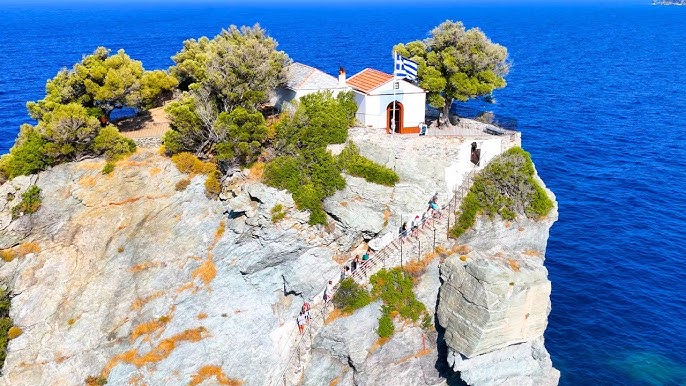
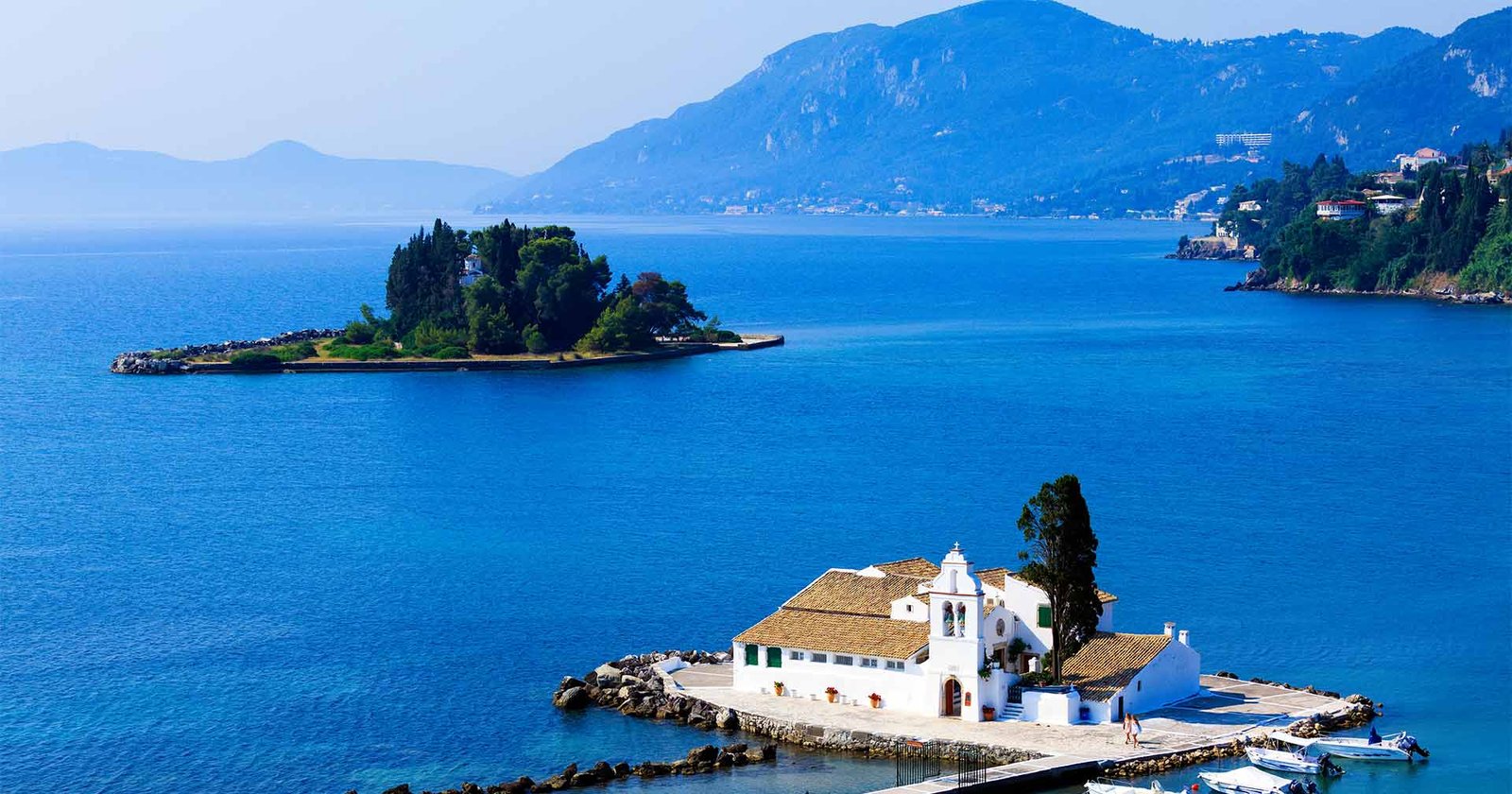
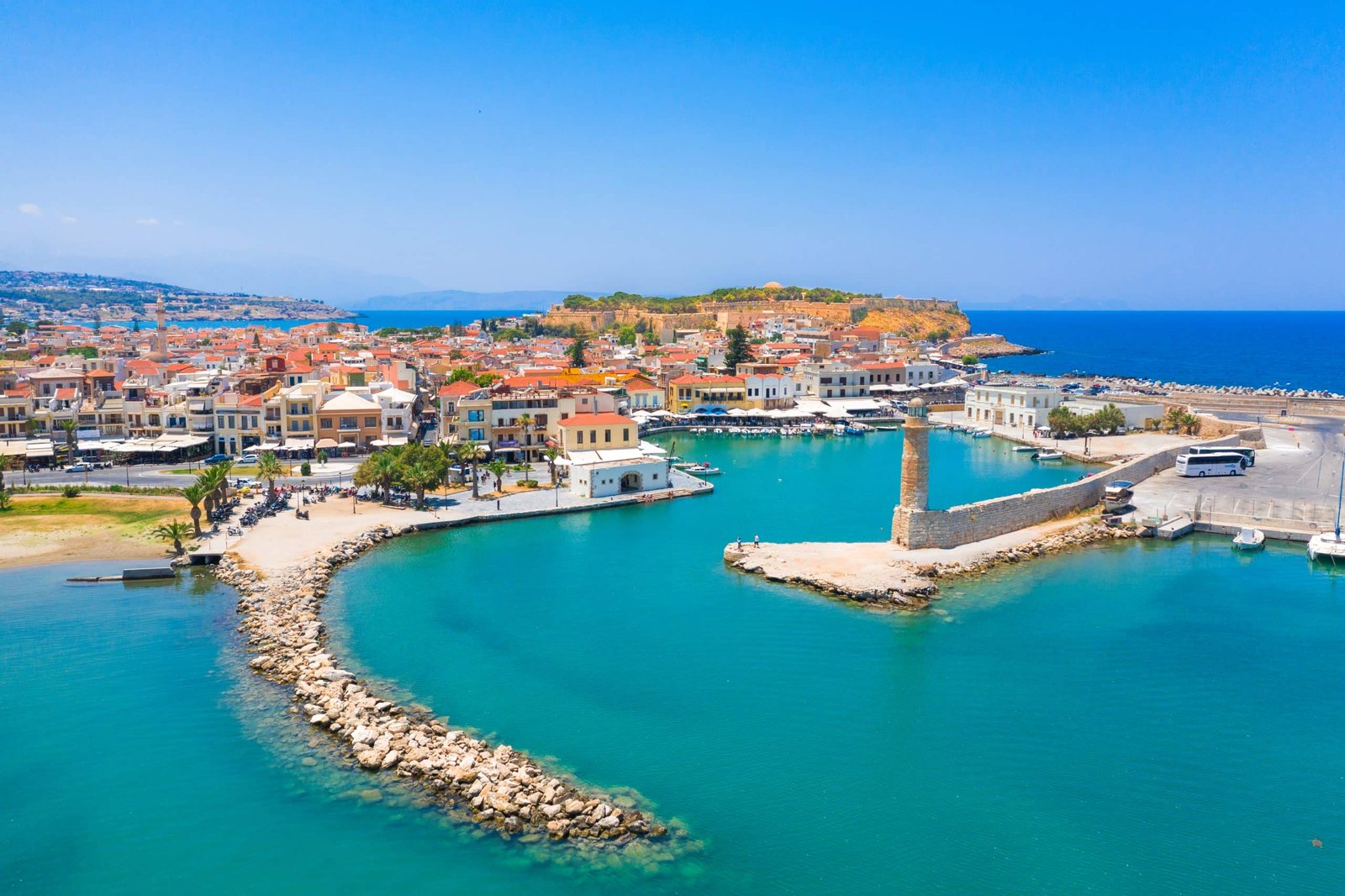
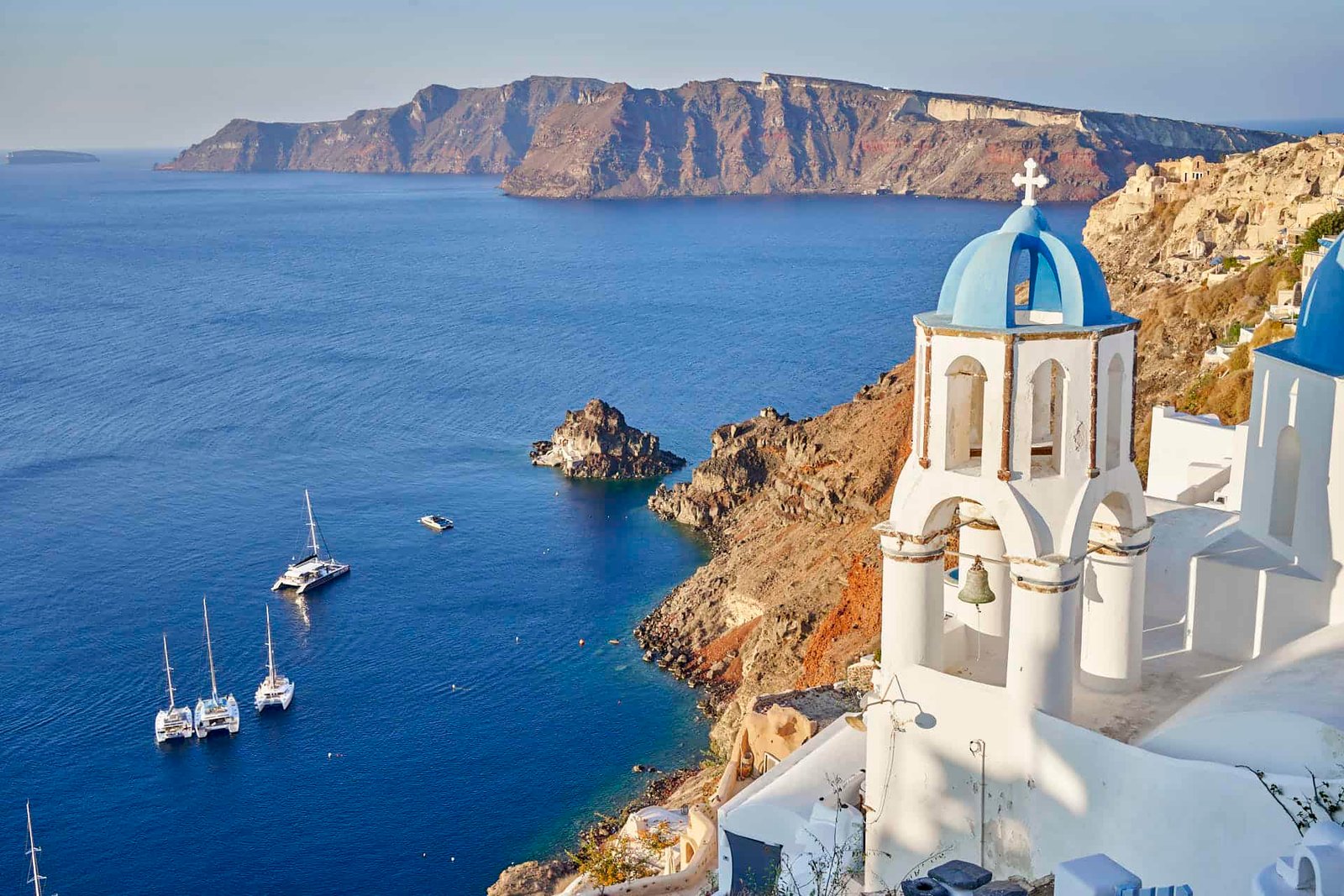
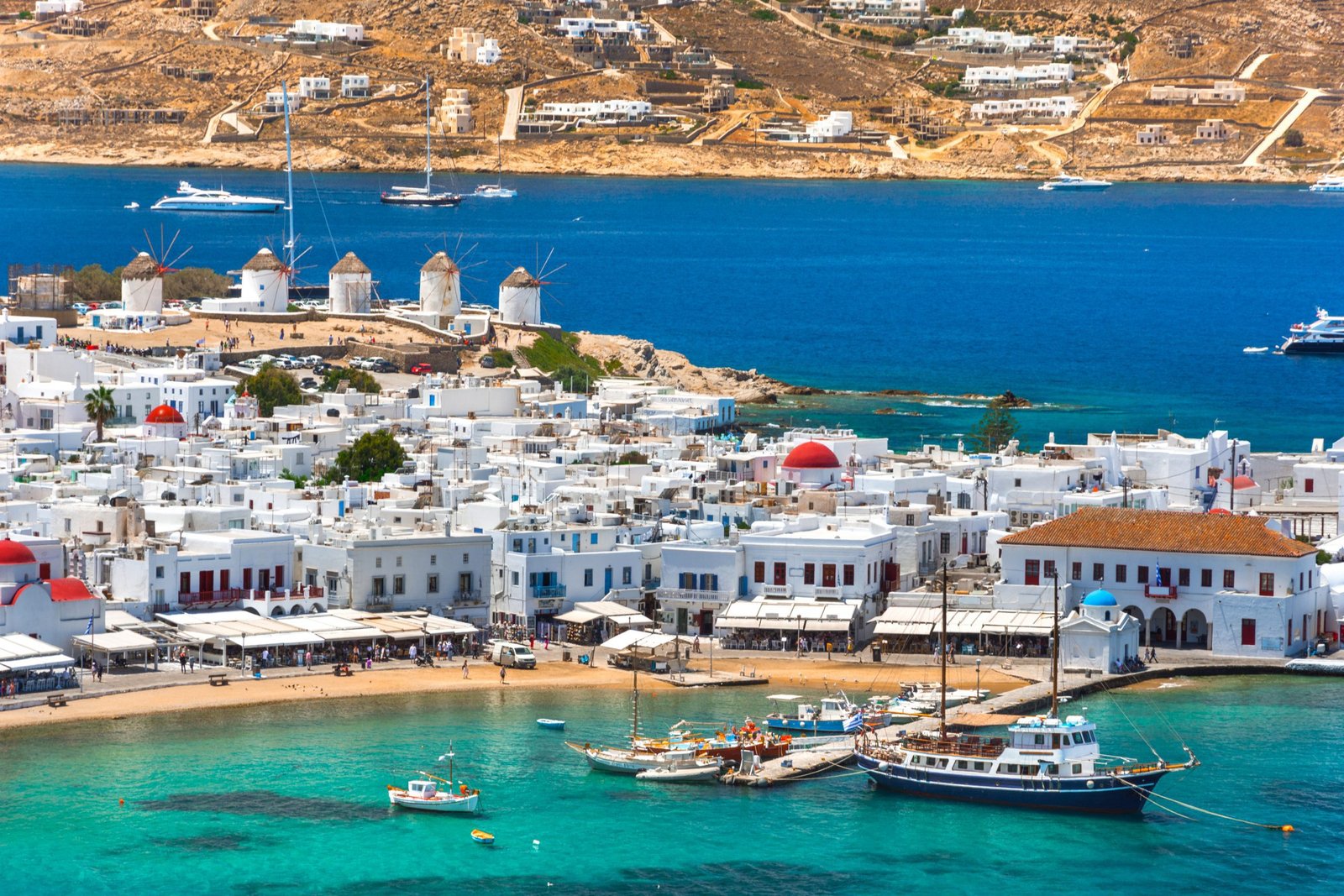
Island groups: East Aegean islands, Sporades and Evia (including Skiathos, Skopelos, Alonissos, etc), the Cyclades (including Mykonos, Santorini, Paros, Naxos, Milos, etc), the Dodecanese (east along the Turkish coast incl. Rhodes, Kos, Patmos, Symi etc), the Ionian islands (west, including Corfu, Cephalonia, Lefkas, Zante etc), Saronic (south of Athens, including Aegina, Hydra, Poros, Spetses, etc) and Crete.
Greece enjoys Europe’s warmest climate, with April, May, September and October being ideal times to visit. Greece has a Mediterranean climate with plenty of sunshine, mild air and water temperatures and a limited amount of rainfall. In summer, the dry hot days are cooled by seasonal winds called the Meltemi, while mountainous regions have generally lower temperatures.
Greece is considered an all year round destination due to the great variety of things to do and see. The main season is from March to November with its peak in July and August. June, September and October are highly recommended for luxury travel.